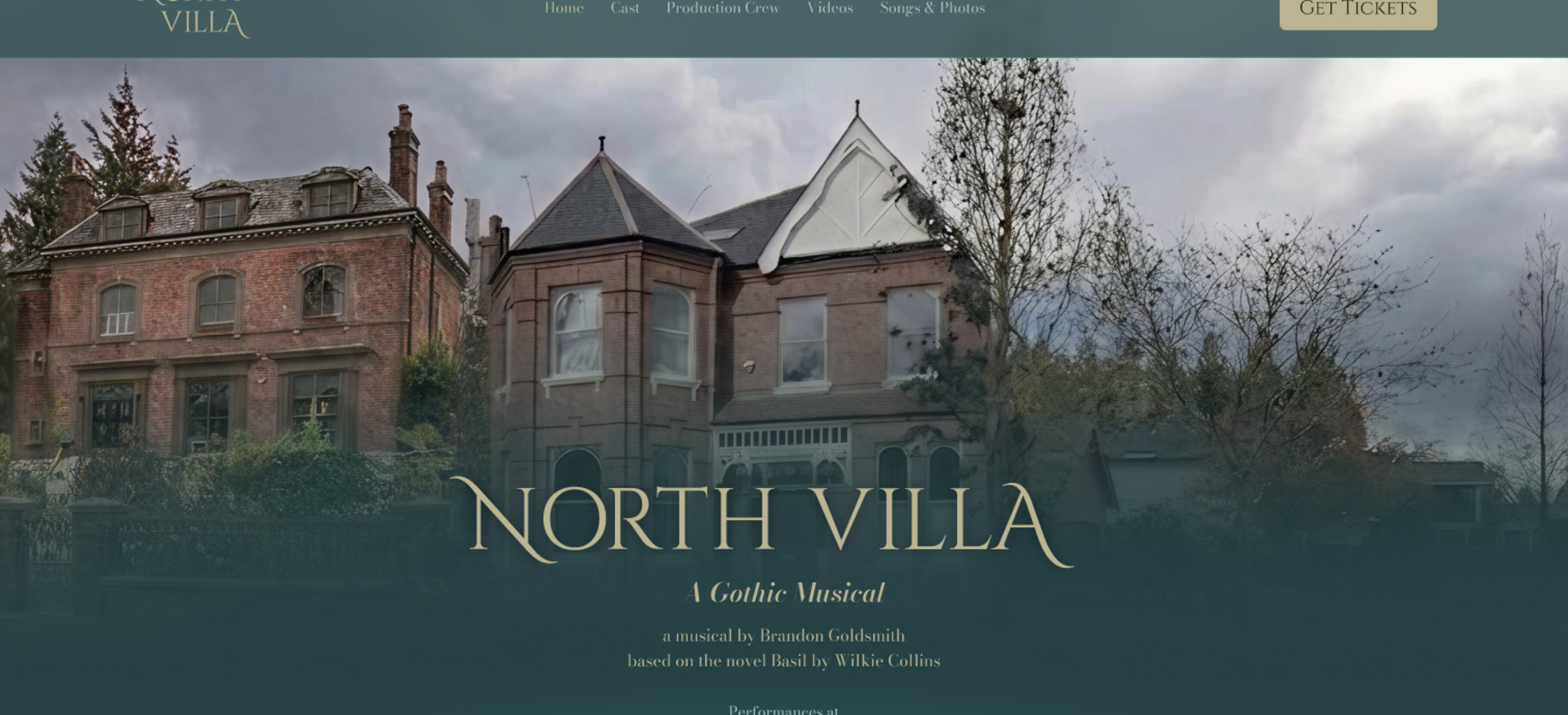
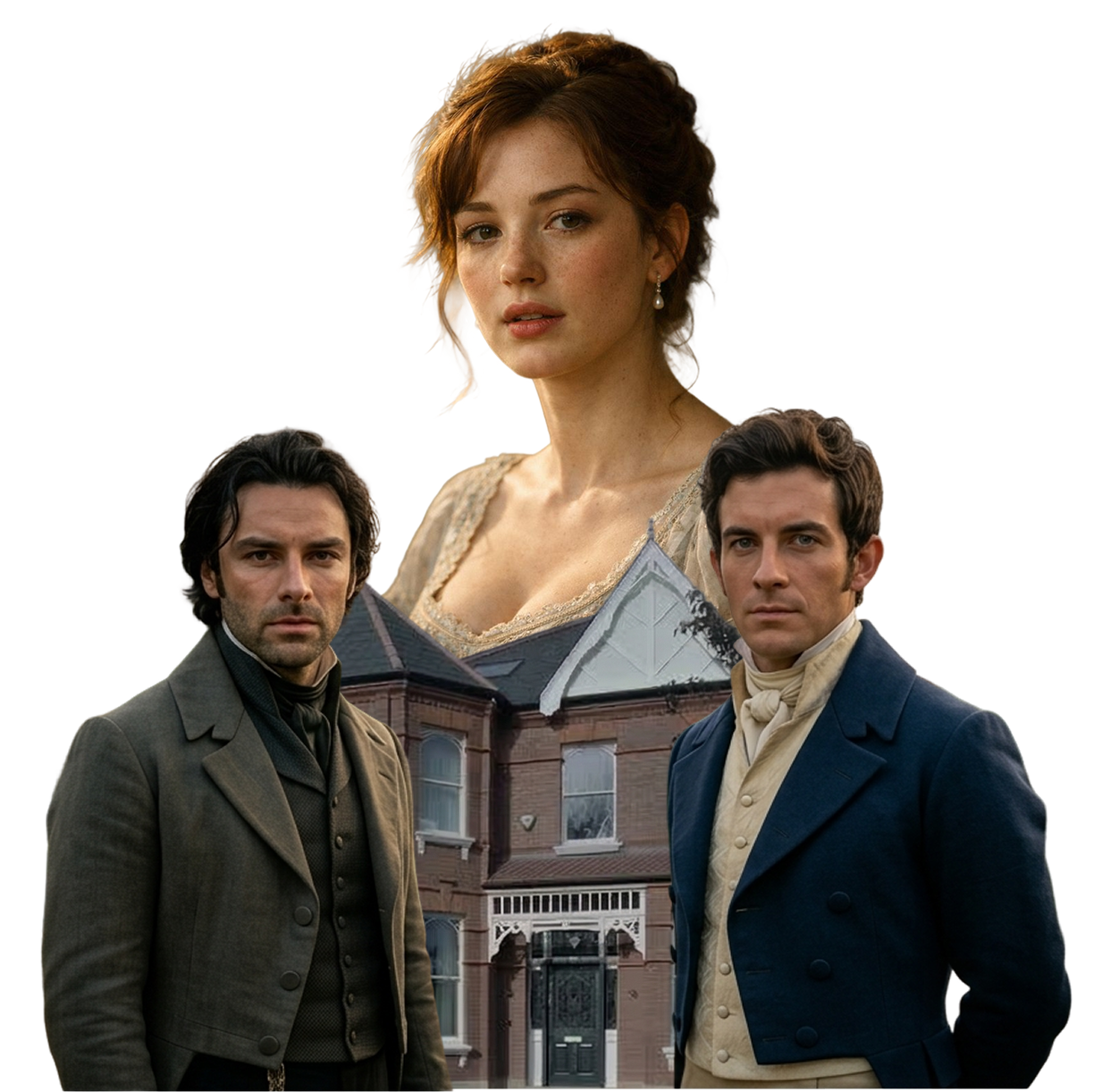
North Villa
A Gothic Musical
A Gothic Musical
Set in a modest London home, North Villa tells the story of a complex love triangle, where choices of the heart collide with societal expectations. The young woman at the center finds herself caught between two men, each representing a different path and set of desires. As secrets, ambitions, and passions unfold, the characters are forced to confront the consequences of their actions within a rigid social hierarchy.
Through sweeping emotions, subtle betrayals, and moments of tender intimacy, the musical explores how love, loyalty, and personal freedom are tested. Against the backdrop of a seemingly ordinary home hiding deeper truths, North Villa weaves a tale of desire, conflict, and self-discovery, inviting audiences into a world that is as dramatic as it is deeply human.


Many years ago, I read Basil, the second novel by Wilkie Collins, written in 1852. From the moment I encountered it, I was struck by how powerfully theatrical the story felt—and how naturally it seemed to invite musical treatment. That first spark became the germ of an idea that ultimately grew into North Villa – A Gothic Musical.
Wilkie Collins described Basil as “a tale of modern life.” While it is no longer modern, the novel was strikingly bold at its time for how it treated marriage, power, and relationships across rigid social boundaries. Questions of social class—so central to the works of Wilkie Collins and his friend Charles Dickens—lie at the heart of the story, shaping the characters’ choices and their consequences.
The choice of the title North Villa is deliberate and twofold. While Basil is a familiar English name, its pronunciation is less settled in American usage where this production is first being staged. More importantly, North Villa is the house in which the central love interest lives and where much of the action takes place. It is a place heavy with secrets—a house where much has happened, and much is concealed. Many of the production’s visual motifs reflect this idea of a seemingly respectable home hiding darker truths.
Collins himself referred to Basil as a form of “domestic Gothic,” and that description provided the final key. To reflect both the emotional intensity of the story and the musical language of the piece, the title North Villa – A Gothic Musical felt not only appropriate, but inevitable.
— Brandon Goldsmith